
Categories
- Blog (73)
- Wetsuits Ink development (1)
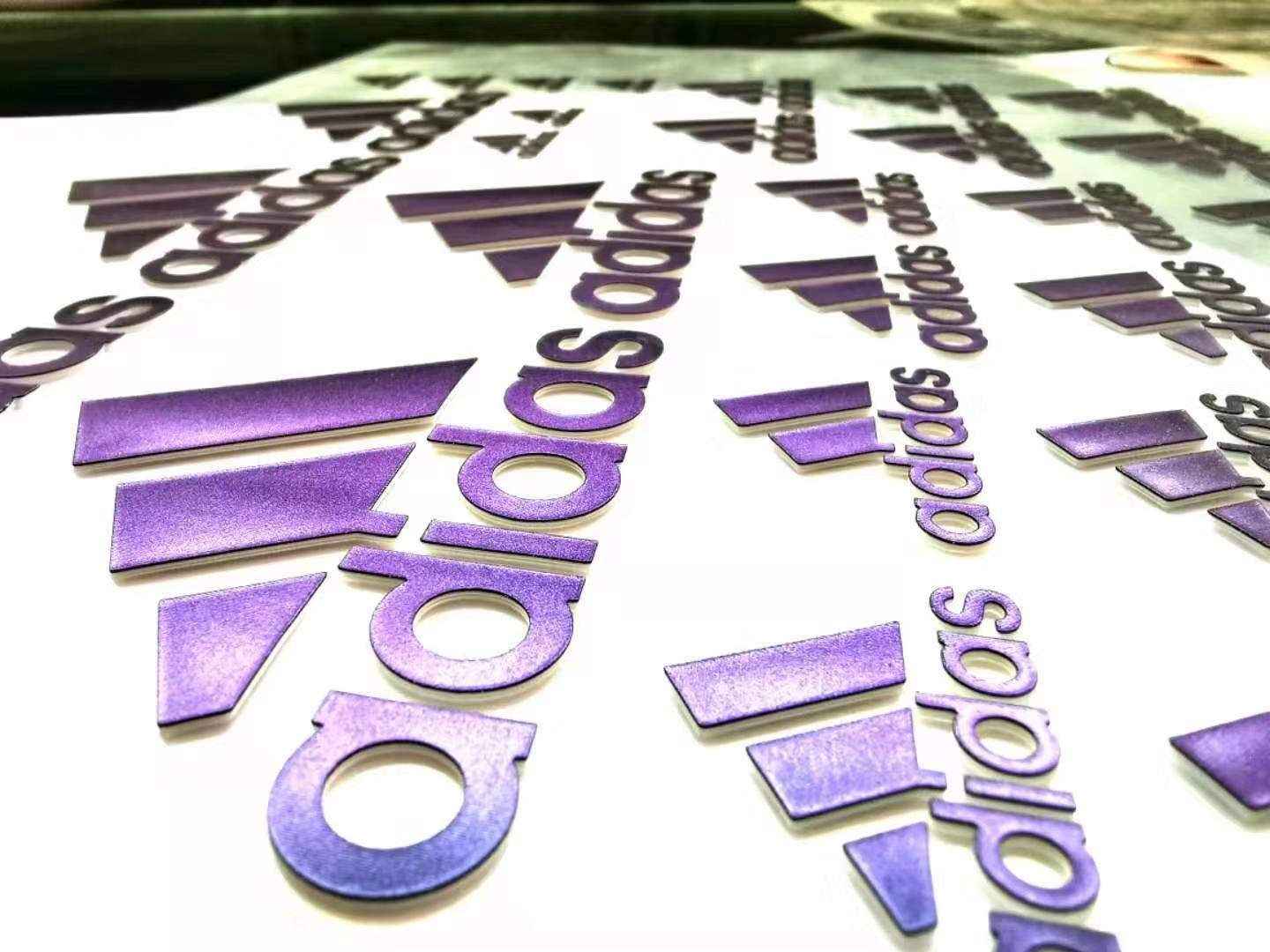
DAS Waterbased Ink is a leading supplier of screen and silicone transfer printing ink for garment printing. The inks we supply set high benchmarks with their remarkable wash persistence and good feel. Also, after washing, the inks retain their integrity and testify of high-quality standards in every word. Our fabric printing inks give the materials a smooth feel while yet …
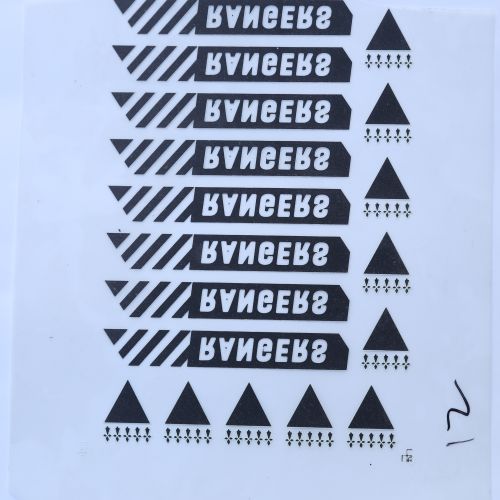
Heat transfer— a printing technology that allows you to print a design onto garments or a material. It is also known as thermal-transfer printing, thermal printing or thermal-wax transfer. Heat transfer printing is a method of transferring a wax picture to a surface or material using heat. This printing technique can also be used to generate a picture by applying …
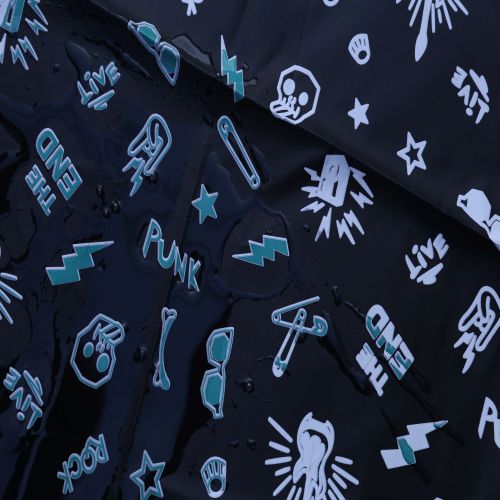
Textile printers are constantly attempting to improve the performance of their creations and textiles. The type of fabric printing ink used is a significant aspect of quality and design. Over the past years, there’s been a surge in demand for premium quality waterbased inks that are easy to process with and are also less environmentally damaging.
When choosing a fabric printing ink for your production line, it may be easy to go with the lowest option. After all, price variations can be big, and choosing a less expensive ink might save you a huge amount of money during the buying decision. But, in the long term, how much would this cost your business? What does this …
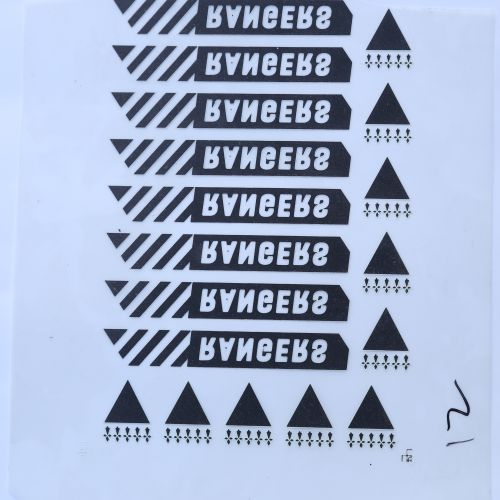
One of the hottest subjects in the industry right now is sustainable fashion and waterbased ink for printing. In terms of mass consumption, environmental pollution, water pollution and an overall bad influence on the ecosystem, fashion is considered as one of the most unsustainable industries. It is, nevertheless, one of the world’s largest multibillion-dollar industries, and it shows no signs …
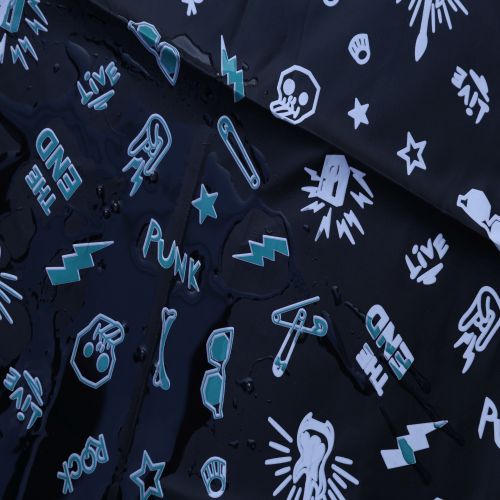
Purchasing premium textile printing ink is usually the beginning of a long partnership between your business and your ink supplier. Of course, because it’s such a huge purchase, you want to be sure you select the best choice possible. How do you know you’re asking the right questions and performing the necessary research? Here are a few helpful hints to …
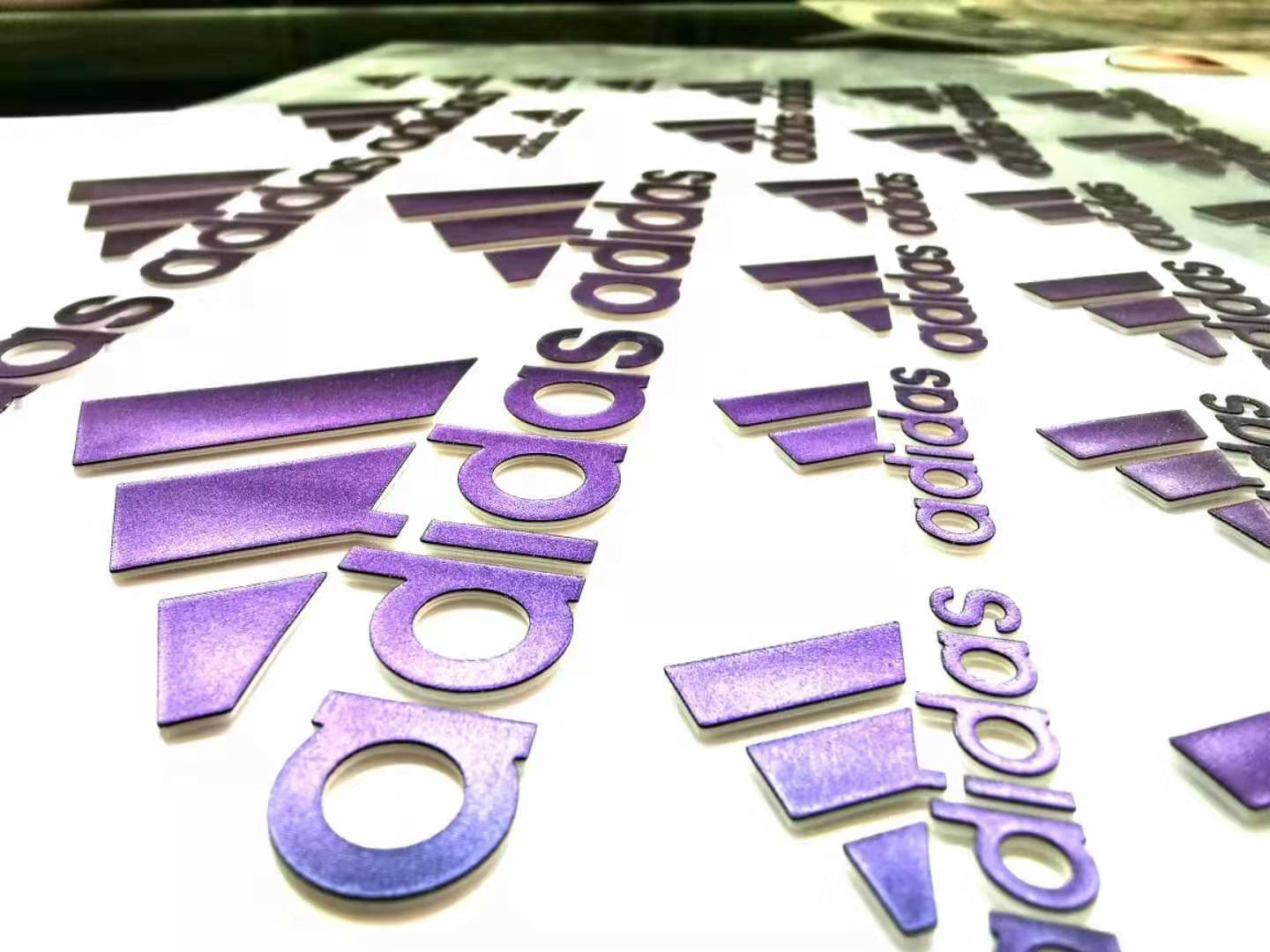
This article is all about how silicone ink is a suitable choice for screen printing process. For athletic and casual clothes makers, screen printing technology represents a significant growth opportunity. Printers have increasingly employed plastisol (PVC) and water-based PA/PU inks. But these inks do have severe limitations that restrict their application, especially in the high textile applications, such as bad …
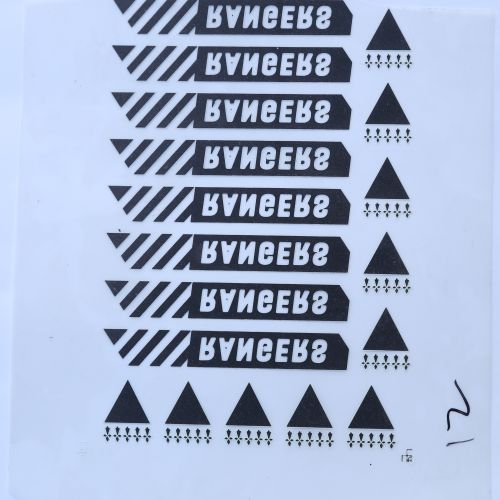
Heat presses are excellent equipment for applying designs to garments, handbags, mugs, and other promotional goods fast and efficiently. Even though the procedure is simple, doing heat transfers requires some expertise. Here are among the most popular heat transfer and heat transfer ink faults, along with tips on how to ignore them.
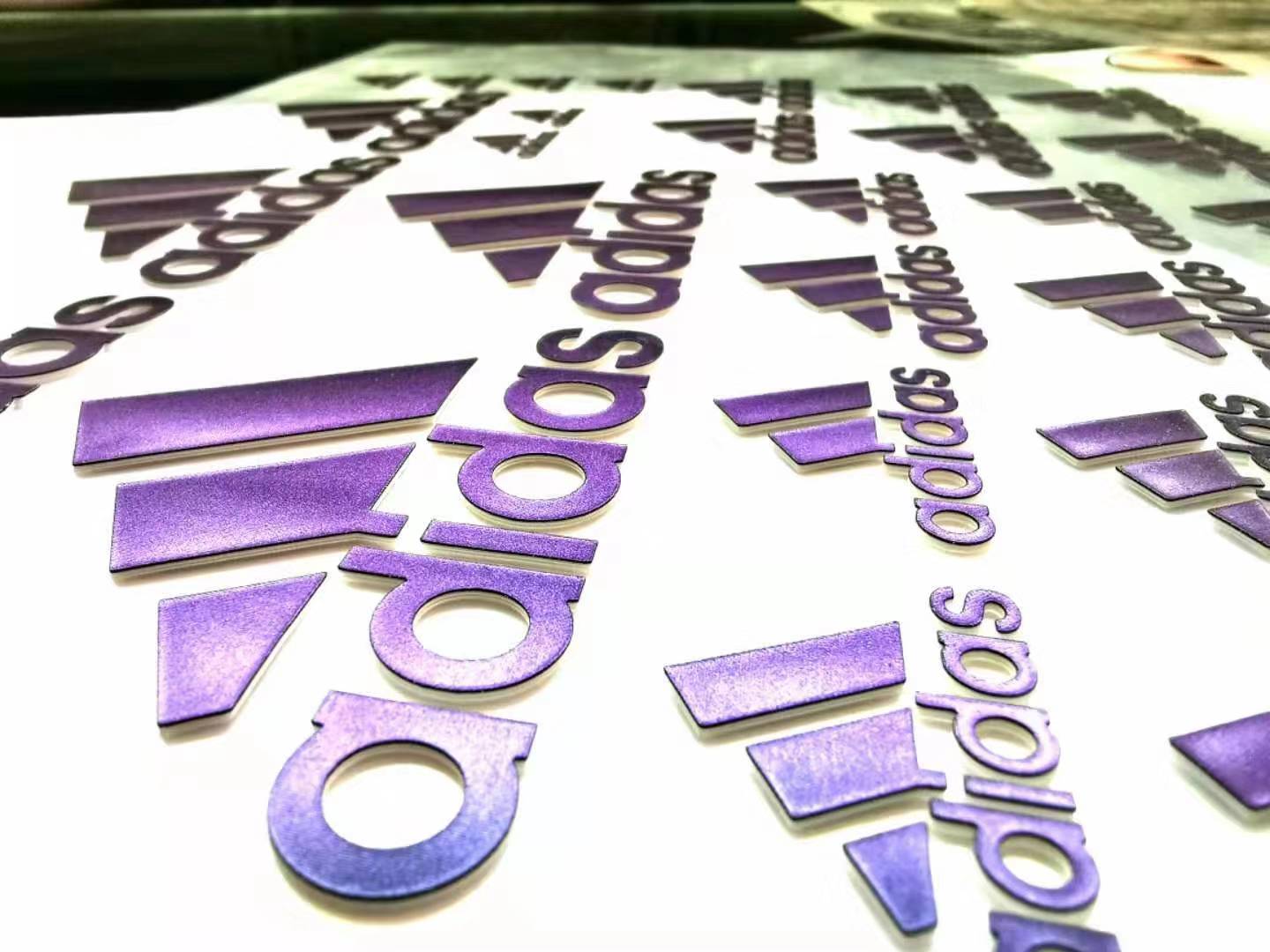
Over time, the demand for prints with a soft-hand and more subtle, clean look has grown tremendously. Adding water-based silk screen printing ink to your essential list can help you attract and grab prospects’ as well as customer’s attention who prefer the softer look and feel of inks in their apparel.
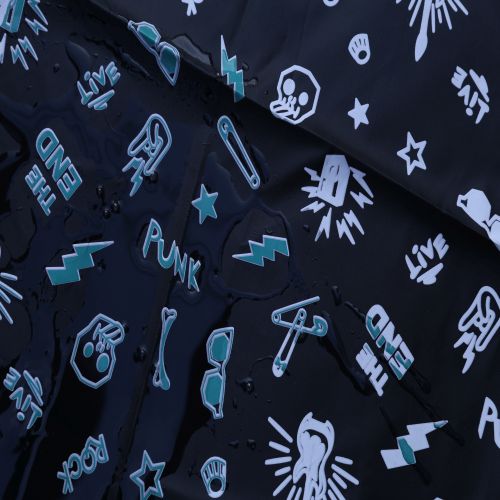
With the growing demand from brand manufacturers and companies for non-PVC prints develops and increases, screen printers using old-fashioned plastisol are looking for making a change. No one wants to drive away customers, but what changes will the print shop need to make to fulfil the customer’s needs?